The modern corporate software stack is broken. For the past two decades, enterprises have solved operational friction by adding more software—resulting in a hyper-fragmented environment where organizations manage dozens of disconnected point solutions, applications, and tools.
Today, CloneWorks introduces a fundamental shift in enterprise architecture: the CloneWorks AI Operating System (AI OS).
Rather than deploying another disconnected AI tool into an already cluttered ecosystem, CloneWorks has built a unified operating infrastructure layer designed to entirely replace legacy SaaS stacks with intelligent digital workers and autonomous digital workforces.
The Problem: Human Employees as "SaaS Glue Work"
In the current paradigm, businesses are forced to use human labor as the connective tissue between siloed platforms. Employees spend hours moving data between CRMs, communication channels, scheduling tools, and external databases. While individual generative AI tools have emerged to optimize specific tasks, they ultimately duplicate data, introduce integration complexity, and create more operational noise than they remove.
The CloneWorks AI OS eliminates this friction by unifying operations into a single environment, driven by a single source of execution, controlled from a single console.
The Architecture: One Environment, Total Execution
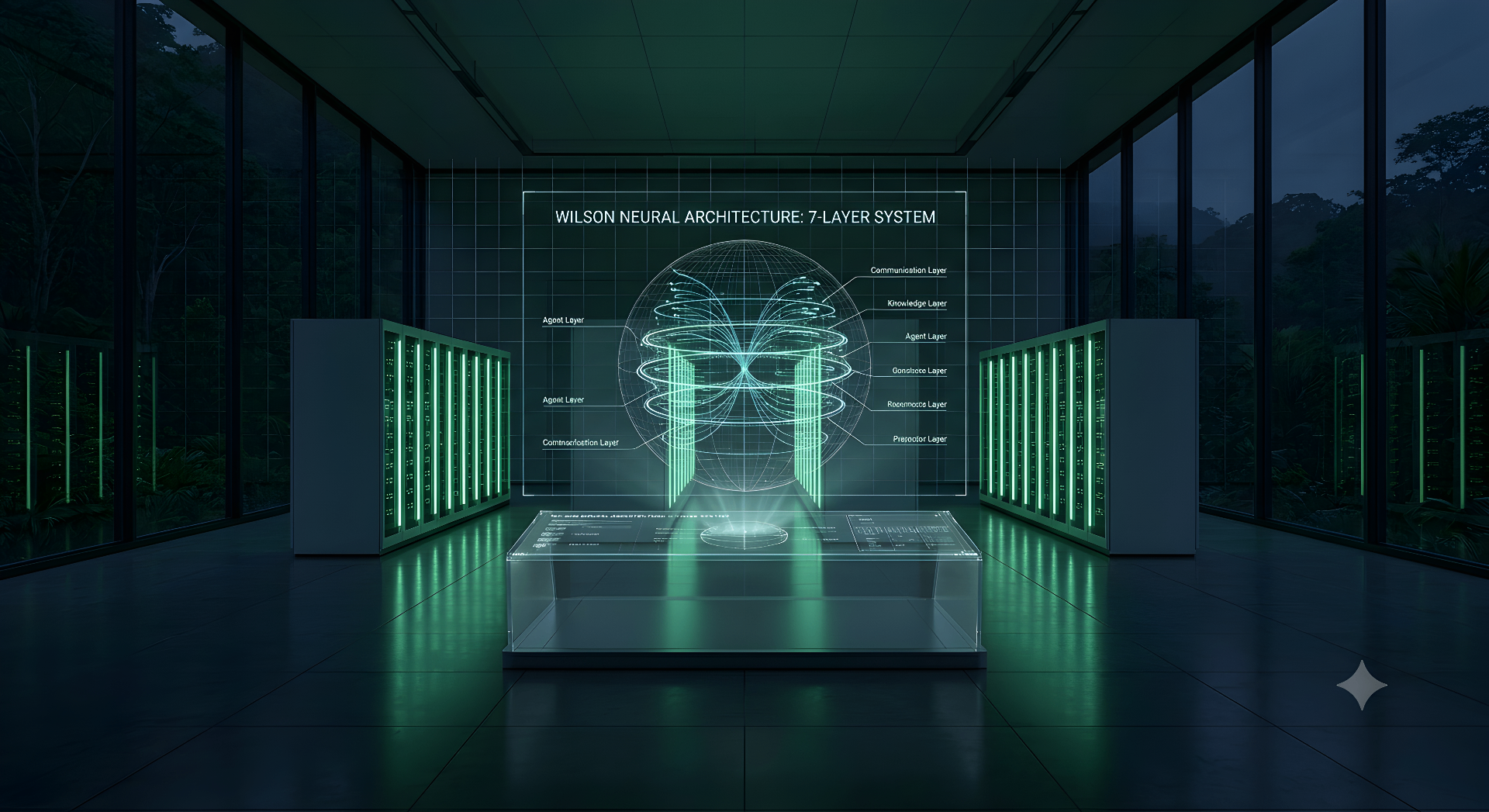
The backbone of the AI OS is Wilson, a proprietary, seven-layer neural brain that coordinates communication, knowledge systems, data, and workflows inside an integrated environment.
Instead of routing a customer interaction through a separate phone system, a separate email automation tool, and a manual ticketing pipeline, the CloneWorks AI OS centralizes the complete operational loop. The system manages:
- Native Communication Layers: Handling unified inboxes, voice infrastructure, and real-world speed-to-lead deployment.
- Contextual Knowledge Networks: Synchronizing internal data and institutional memory dynamically.
- Autonomous Workflow Orchestration: Executing complex, multi-step business logic across departments without human intervention.
Scaling via Digital Workforces
Through the AI OS, organizations no longer purchase software licenses; they deploy capacity. Businesses can scale their operations instantly by onboarding digital workers tailored for specific roles—whether deploying 3, 10, 25, or an entire department of digital employees across sales, outreach, customer support, and backend operations.
Every digital worker operates natively inside the CloneWorks infrastructure, ensuring absolute data continuity, predictable unit economics, and a continuous learning loop that optimizes the entire system with every interaction.
The Path Forward
The rollout follows a deliberate, multi-phase expansion. Having already validated and hardened the core infrastructure under real-world operational stress within high-velocity commercial beachheads, CloneWorks is actively porting these out-of-the-box workflows into mid-market corporate ecosystems and enterprise networks.
The era of managing fractured software applications is ending. The era of orchestrating unified, autonomous organizational capacity has arrived.
Media & Investor Relations
To view the architectural breakdown, track active pilot conversion metrics, or review the current pre-seed capital raise milestones, visit the official investor portal: clone-works.com/investors.